Behaviour
We are committed to maintaining the highest standards of behaviour, ensuring every child can learn in a safe, respectful and focused environment.



We are committed to maintaining the highest standards of behaviour, ensuring every child can learn in a safe, respectful and focused environment.
We are committed to the very highest standards of behaviour. We will stop at nothing to fulfil our promise that no child’s progress will ever be negatively impacted by the behaviour of others. It is every child’s right to study in an environment that is safe, respectful and purposeful.
Where students are unable to adhere to these expectations, there will be both sanction and support. The school believes sanctions help students to understand that they have fallen below our expectations and it believes that with our support they will be able to better shape their future choices.
Our Behaviour System - Overview
First and foremost we are committed to ensuring that positive behaviour management is at the heart of what we do, clearly following the values we set out for our children, especially in terms of 'Being Big Hearted' and 'Being Unusually Brave'. All pupils will be rewarded in a range of ways for showing positive attitudes to work and behaviour through certificates, stickers, team points and displays around school. We are keen to share positive behaviour and success with parents too, through celebration assemblies, text messages home and our website and Facebook pages to show off the great accomplishments of our children.
Sometimes the expected behaviour is not demonstrated and it may be necessary to use sanctions to promote the expected behaviour from an individual child. In the first instance, the class teacher is responsible for the day to day behaviour of the children, however, all members of staff will also have consistent expectations for how children are to behave within the school and when they are representing the school at outside events. These expectations will be modelled and encouraged throughout the day. Within Foundation and Key Stage 1 we accept that these behaviours may not be demonstrated by pupils at all times, however they will be developed at every opportunity.
Any inappropriate behaviour is dealt with calmly and quietly, following an agreed graduated card system summarised below:
Pink -A ‘Pink Card’ is a reminder to children to make the right choice after a lower level incident such as talking over a teacher or minor disruption in class. If a child continues to make the right choices during the remainder of the lesson the card will be taken back and no further consequences applied.
Amber -If a child continues to make the wrong choices, they will be given an ‘Amber Card’ and given a Reflection Sheet to think about the choices they have made – usually at a playtime with a member of the Senior Leadership Team where possible. On occasion it may be suitable to move straight to an ‘Amber Card’, bypassing a Pink.
Red -If the wrong choices continue to be made or a more serious incident such as violence or aggression occurs, a child will receive a ‘Red Card’. The pupil will also miss their next break time and will complete a Reflection Sheet with Mr Hawkins or Mrs Ellemore. Parents will be informed, usually by text, if their child has received a ‘Red Card’ and details of the incident will be shared.
Reflection Sheets - Reflection Sheets are a way for children to record what happened, why it was the wrong choice to make and what they will do next time. This will be kept on file and monitored through the year. If a child receives 3 Reflection Sheets in a week or 5 sheets in a half term they will be copied and sent home to parents. Parents will be asked to sign and return a letter to acknowledge receipt of the sheets. Parents will be able to make comments on the reply slip should they wish. All incidents resulting in an Amber or Red Card will be recorded on 'Arbor', the school’s system for monitoring safeguarding and behaviour concerns.
Further Consequences - If a child receives three Red Cards within a short period of time the Senior Leadership Team (SLT) will contact parents/carers for an immediate meeting in order to discuss a behaviour plan to support the pupil in making appropriate behaviour choices. Other agencies and a formal individual pastoral support plan may also be introduced.
Pastoral Support
We believe that strong pastoral support helps us to maintain high standards of behaviour. Personal, Social, Health and Economic (PSHE) education is a school subject through which pupils develop the knowledge, skills and attributes they need to manage their lives, now and in the future. These skills and attributes help pupils to stay healthy, safe and prepare them for life and work in modern Britain, whilst also helping pupils to achieve their academic potential, and leave school equipped with skills they will need throughout later life.
As a school we have a planned cycle of PSHE lessons integrated into our curriculum. We also have additional weekly pastoral groups which children access to address specific topics such as friendship issues like sharing and getting along. For some children we also offer access to a qualified counselling / coaching services to help with a range of issues such as low confidence, poor self-esteem and bereavement.
We always try to help our children in the most appropriate way possible that meets their individual needs.
Read our Behaviour policy here.
Students will:
Teachers will:
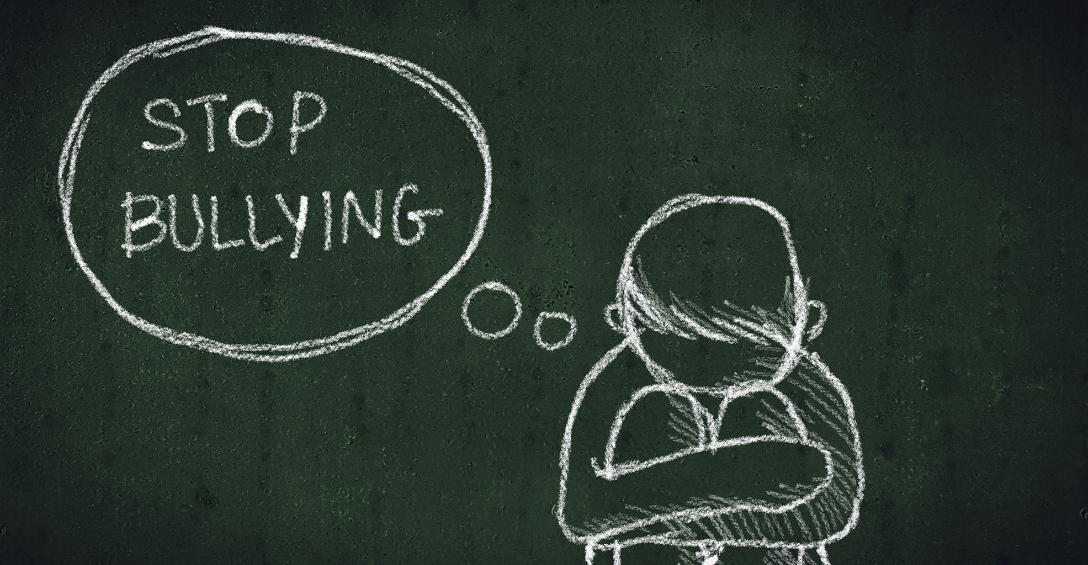
We do not tolerate bullying or any form of prejudice and will always aim to deal with any such incidents swiftly. We have clear procedures for dealing with incidents, and we educate students about their behaviour. We support events such as Anti-Bullying week.
If bullying is taking place, students are encouraged to:
Lift North Thoresby
High Street,
North Thoresby,
Grimsby,
Lincolnshire,
DN36 5PL